Computer Museum Time Capsule
Tue, 2010-03-30 18:48 — walker
Donor: John David Stone
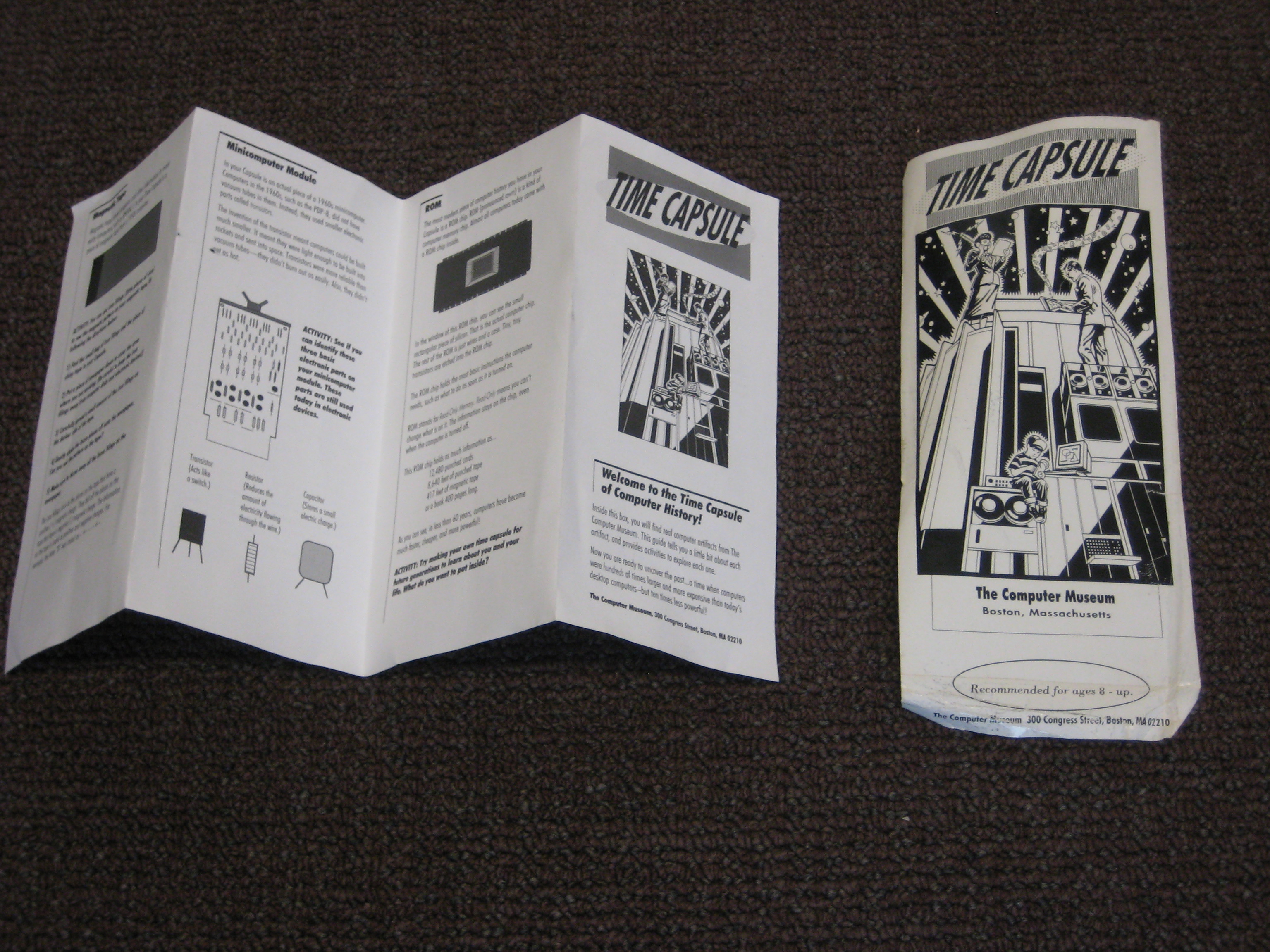
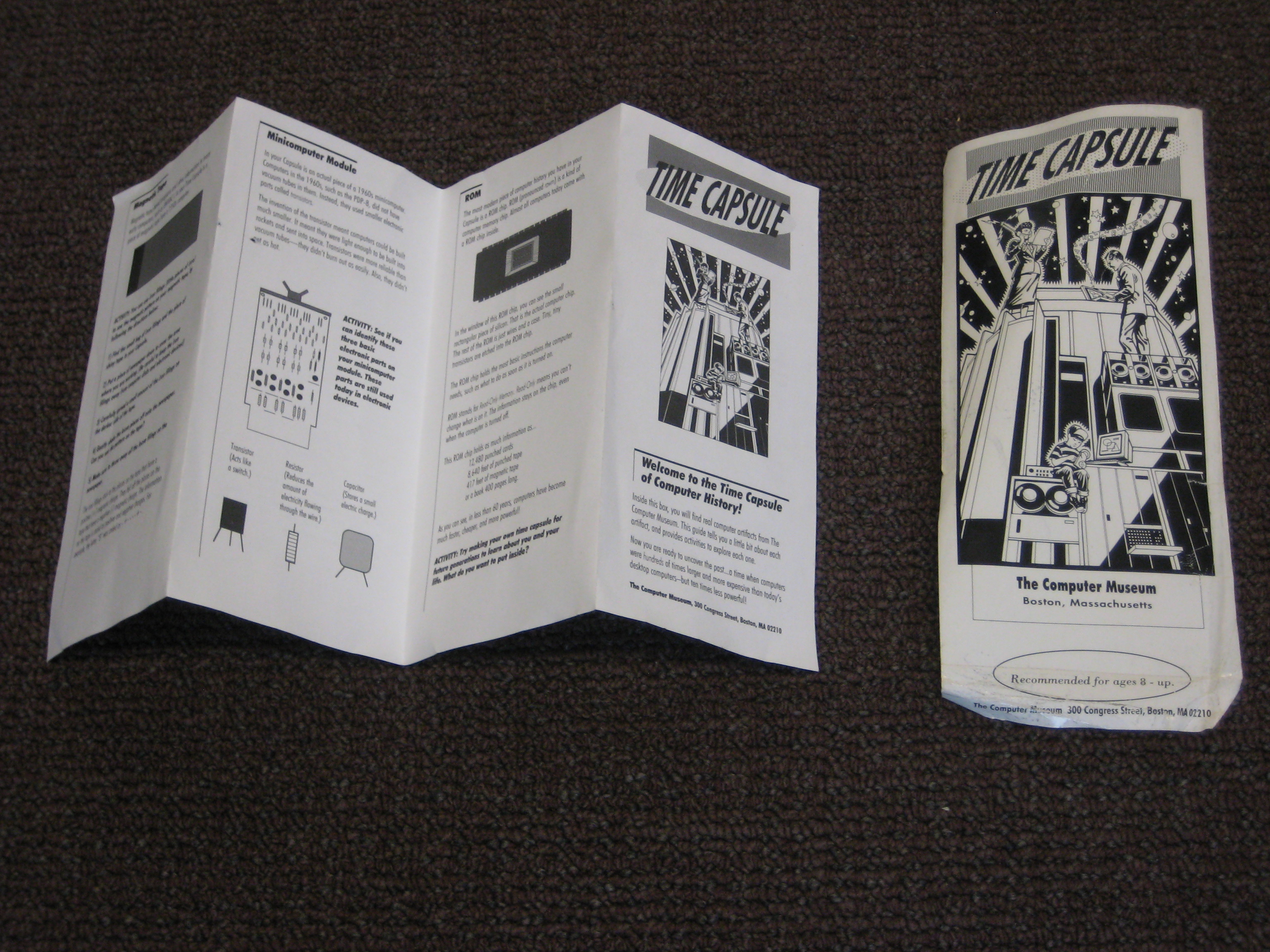
The Computer Museum compiled a Time Capsule &mdash a collection of artifacts from the Museum, together with a guide describing each piece.
The following items are paired with the pictures that follow.
- The Time Capsule Guide is a descriptive booklet to the various artifacts included in the time capsule.
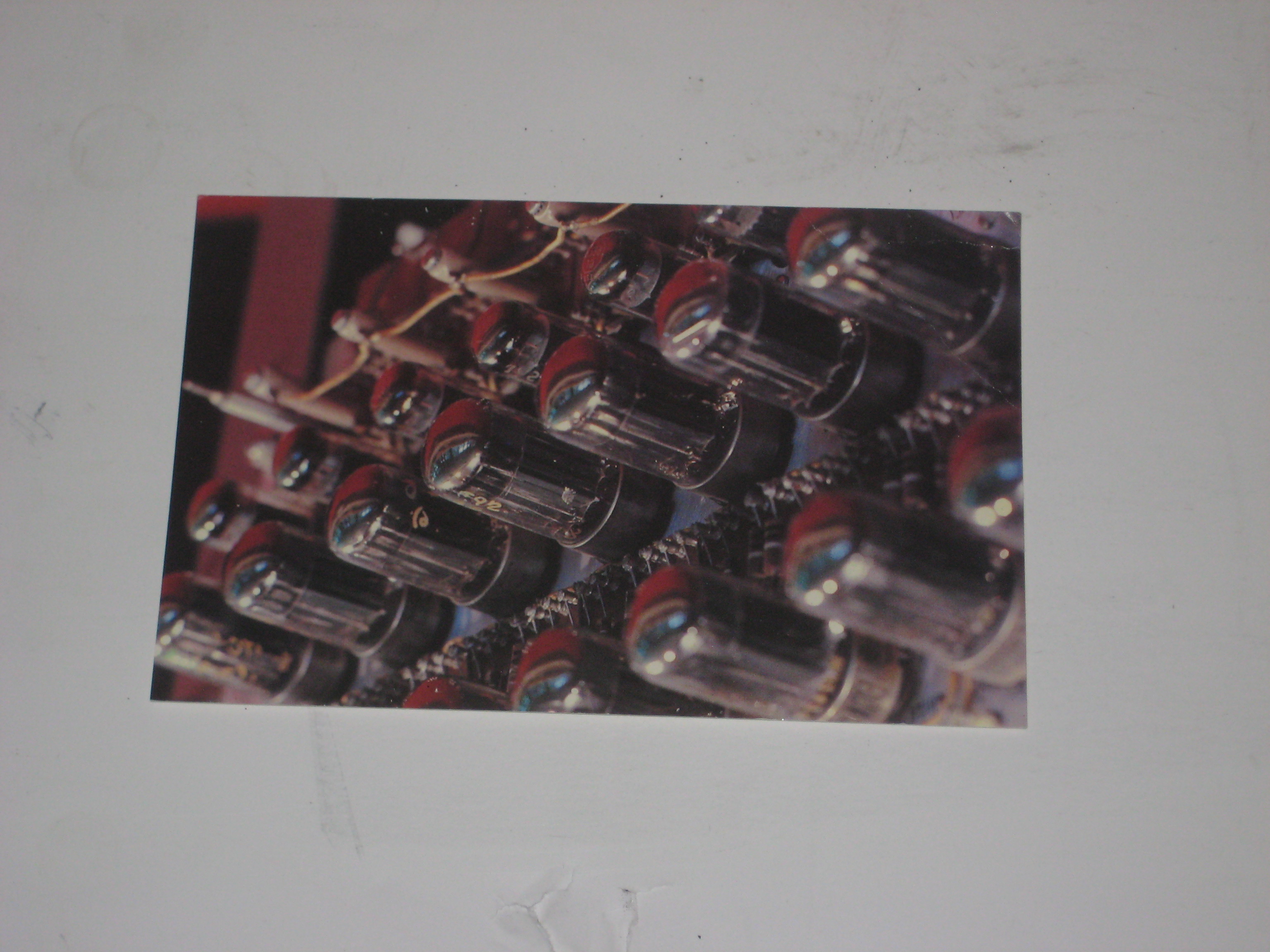
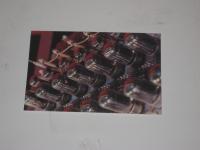
- Vacuum Tubes acted as electrical switches in the early computers. The post card here shows part of the 5,000 vacuum tubes found in the 1951 Whirlwind computer.
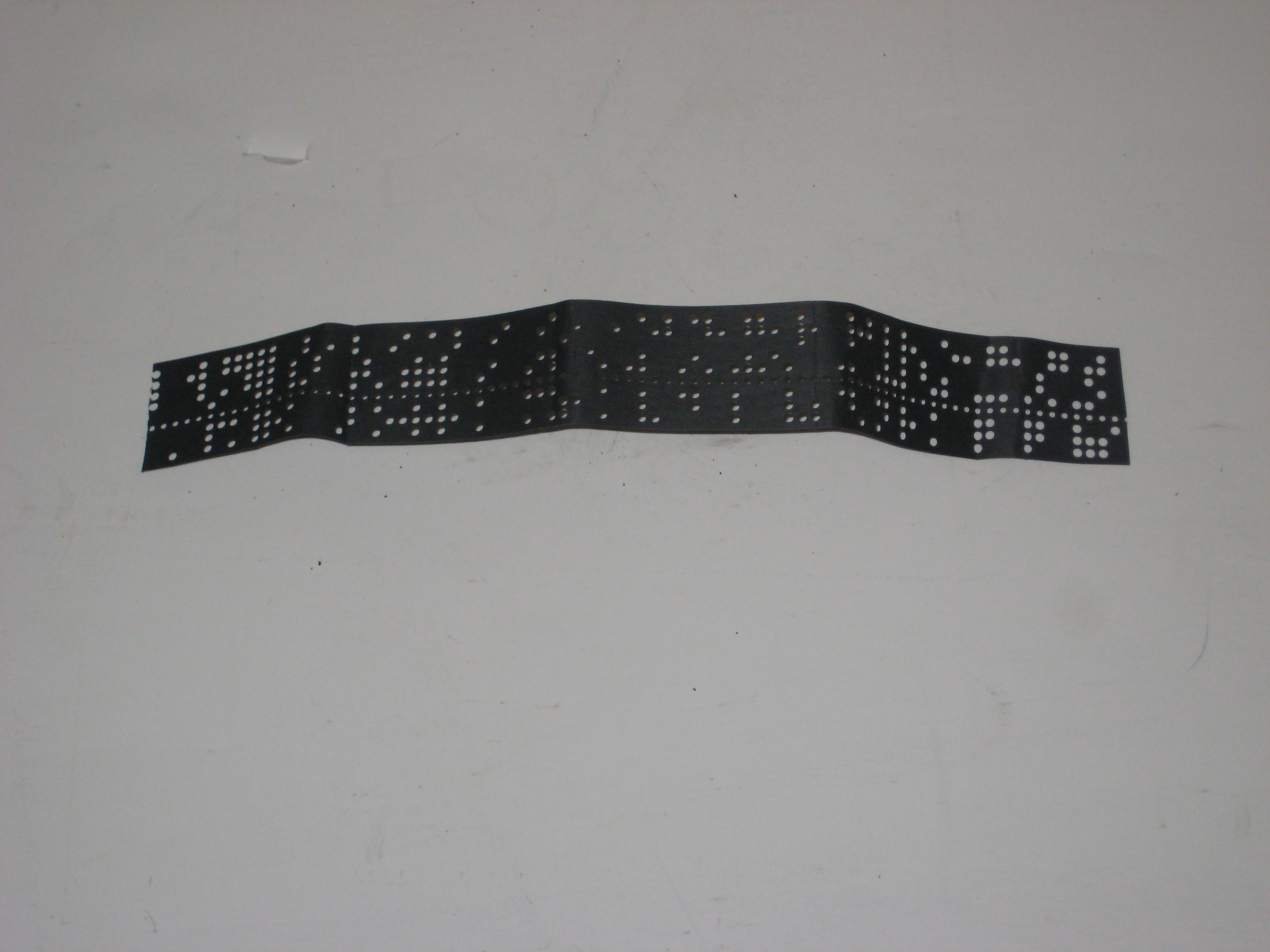
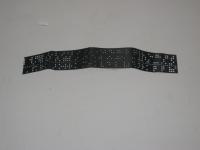
- Paper Tape: Used between the 1940s and 1970s, data were encoded on paper tape by punching holes at specific locations; each letter or digit gave rise to a specific pattern of punches. Sequences of instructions were represented by sequences of punch codes. Of course, if any data needed to be added or deleted, an entire, new tape had to be repunched to effect the change.
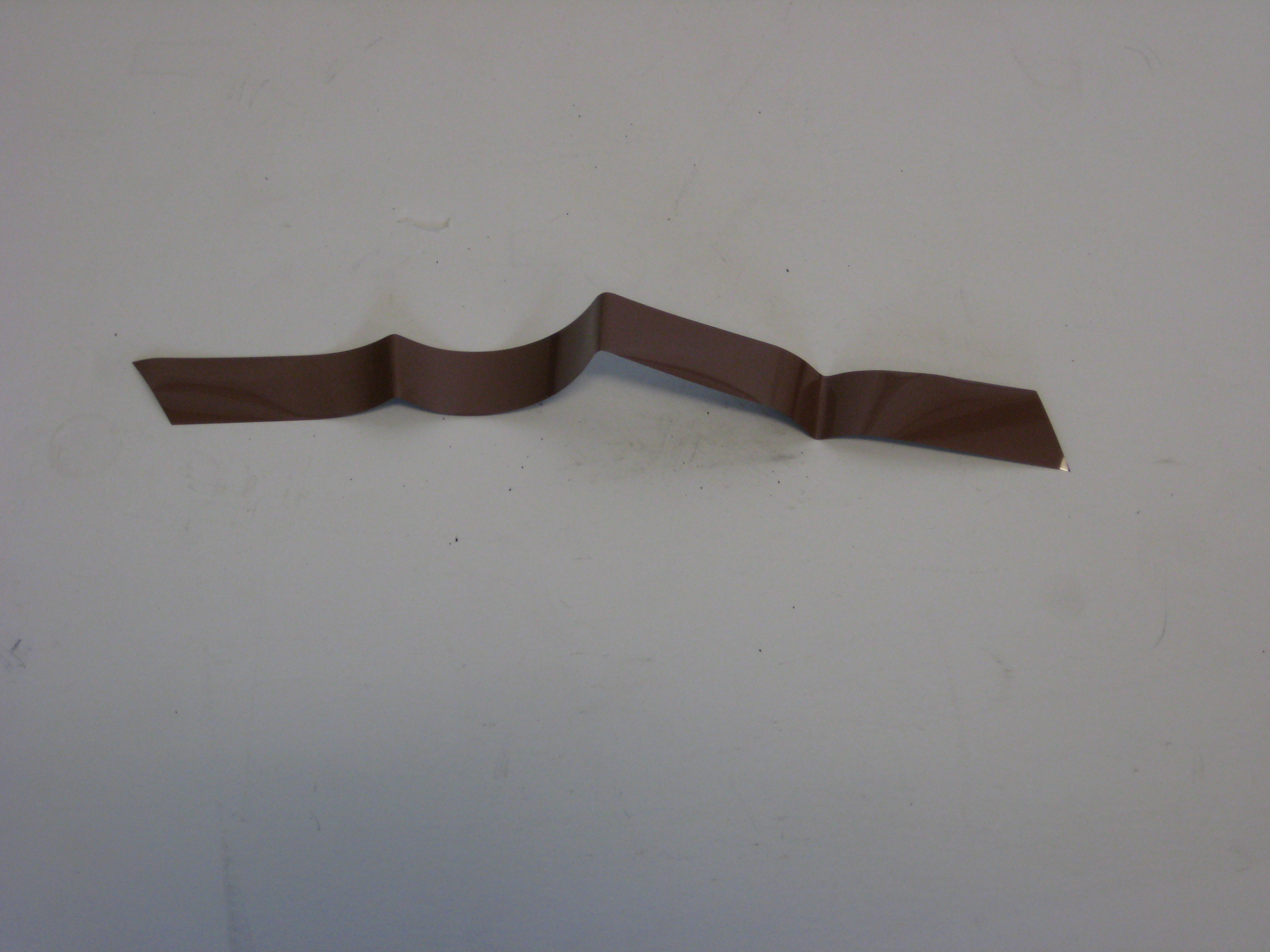
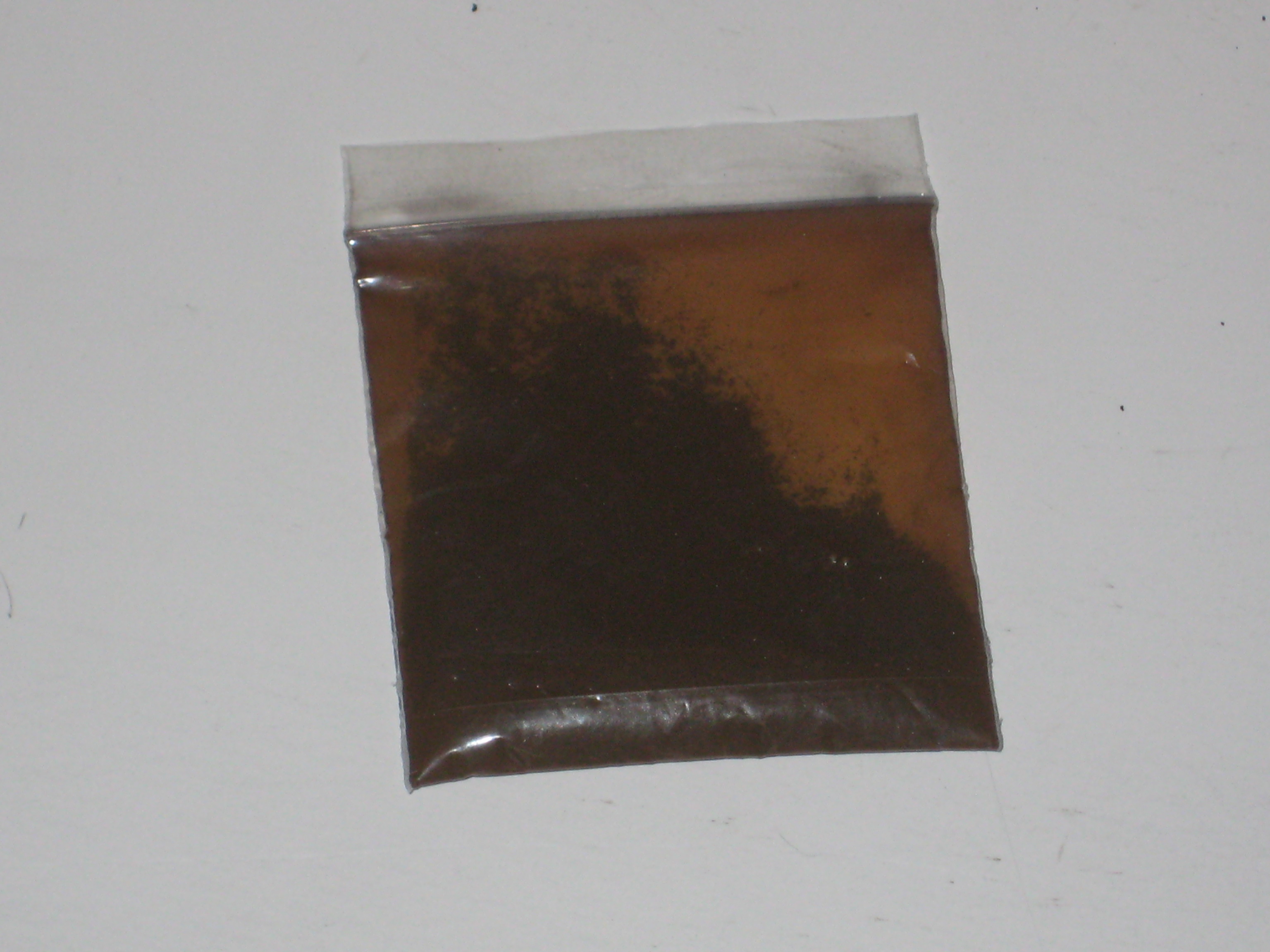
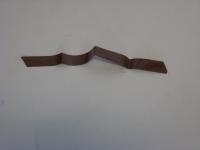
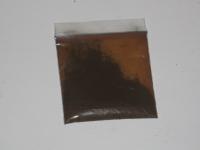
- Magnetic Tape: This magnetic tape, from a 1950s computer, stores data as magnetic charges. To maintain a magnetic charge, the tape is coated with iron filings. For reference a bag of iron filings is also shown.
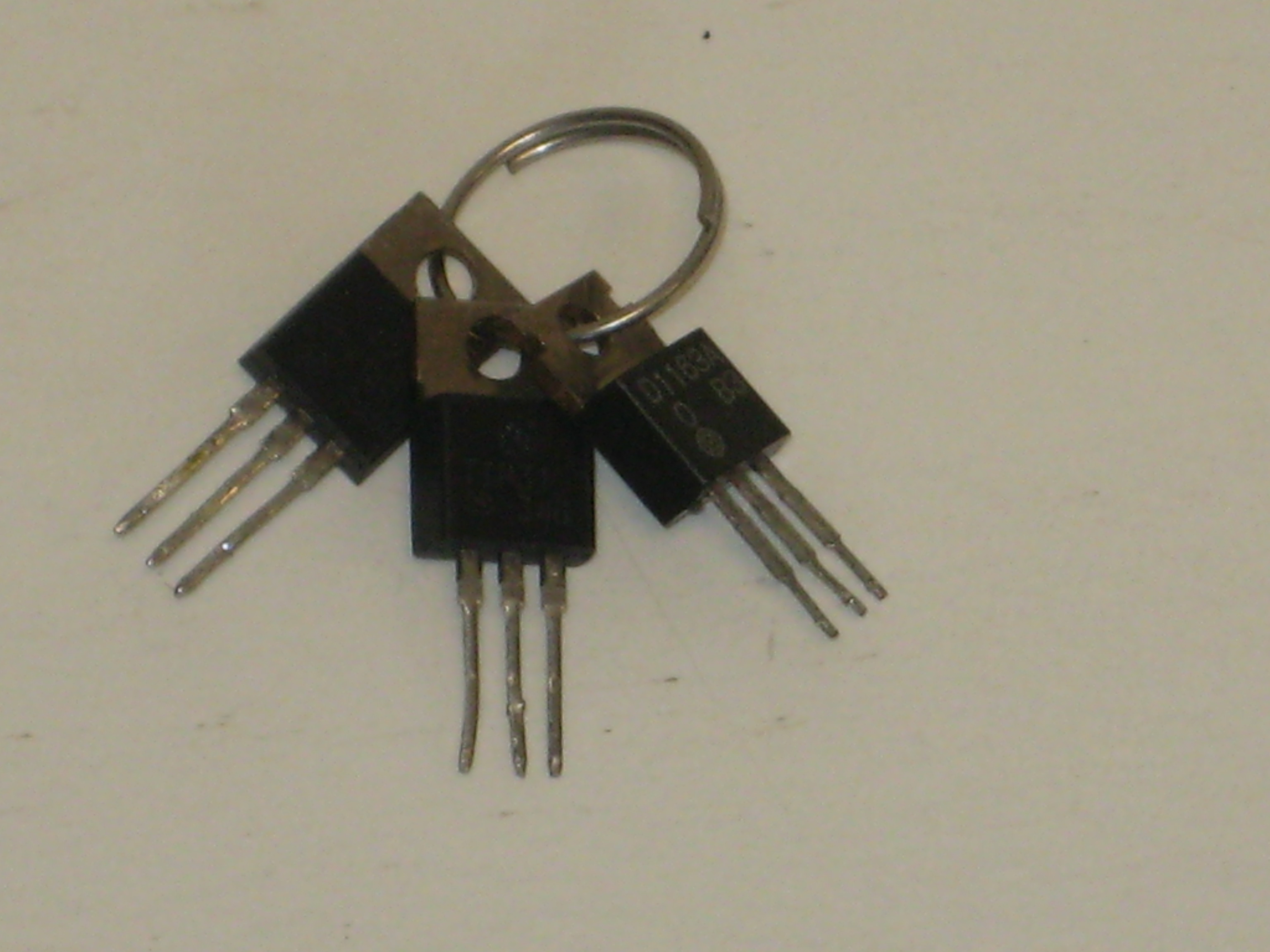
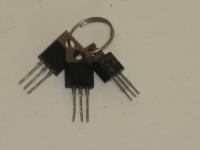
- Transistors, made of silicon, were developed in the 1950s and 1960s to replace vacuum tubes. Since transistors do not heat a filament (found in vacuum tubes), transistors utilize much less electricity and create much less heat than vacuum tubes. Transistors have three wire connects — a control wire in the middle and two other wires to complete a circuit.
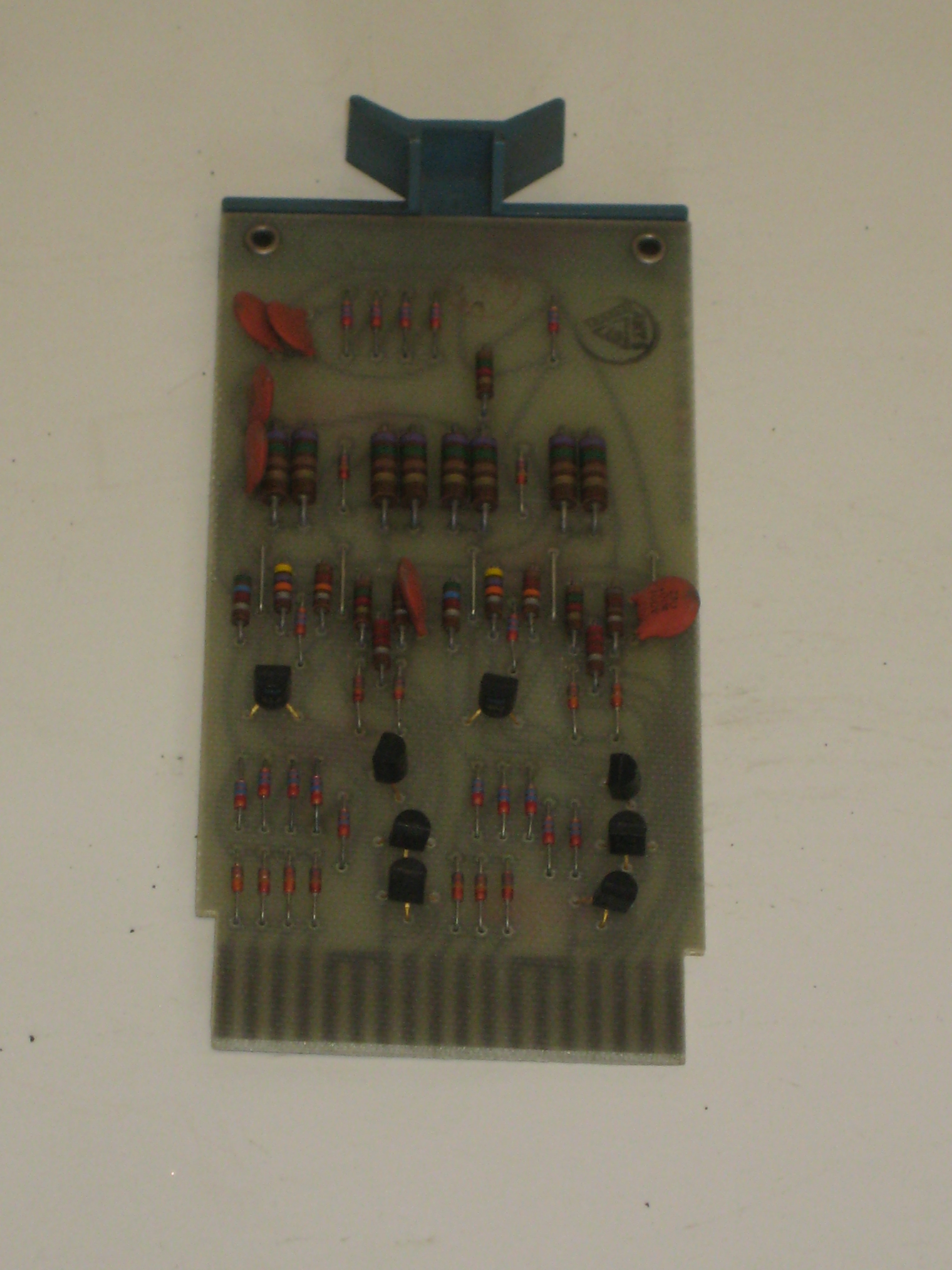
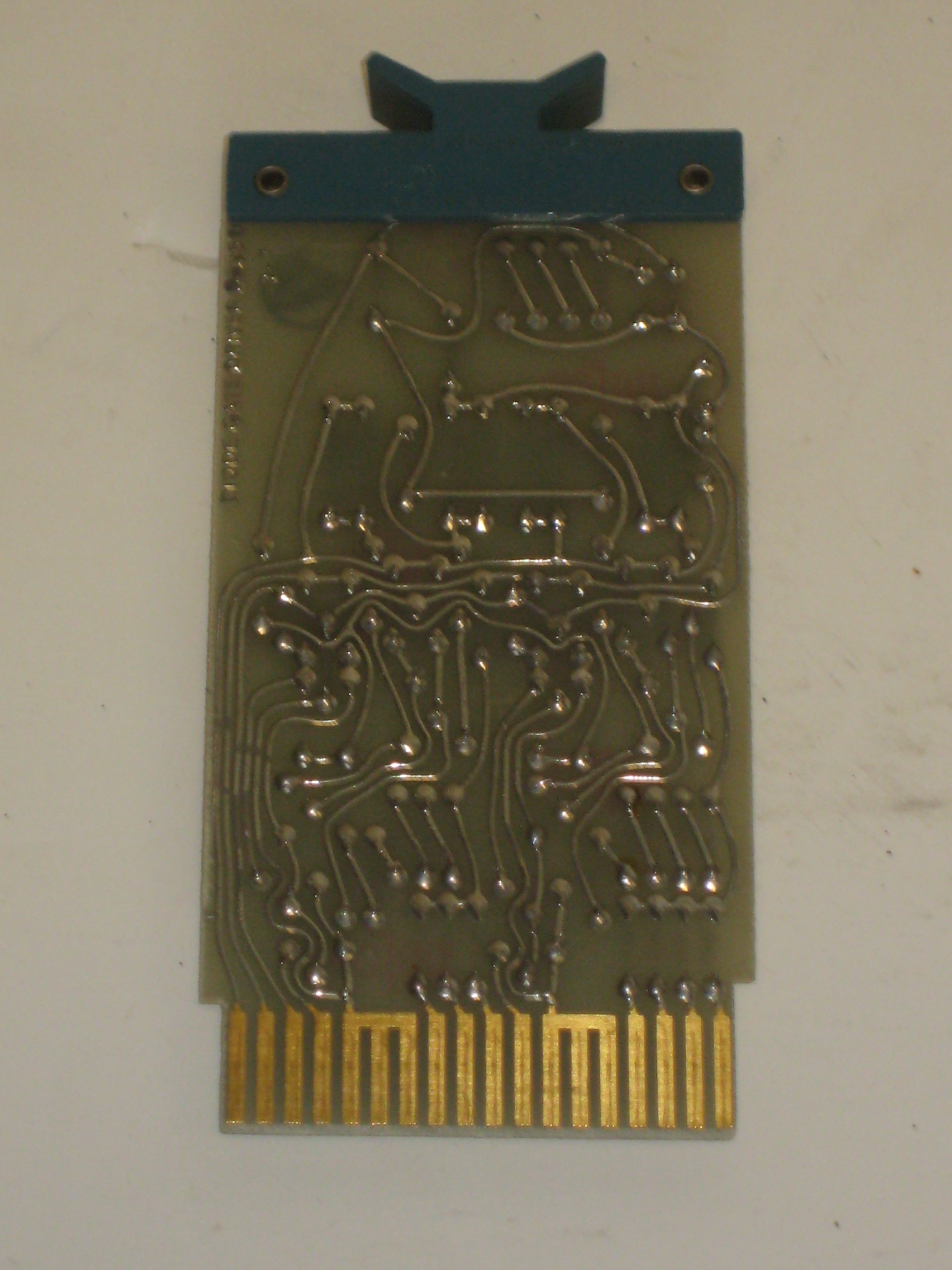
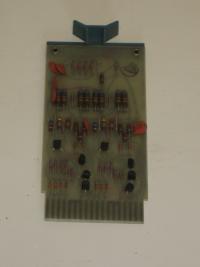
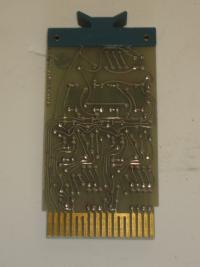
- Minicomputer Module: In 1960s computers, placed transistors on boards, connected by resistors (round, stripped) and capacitors (thin, square).
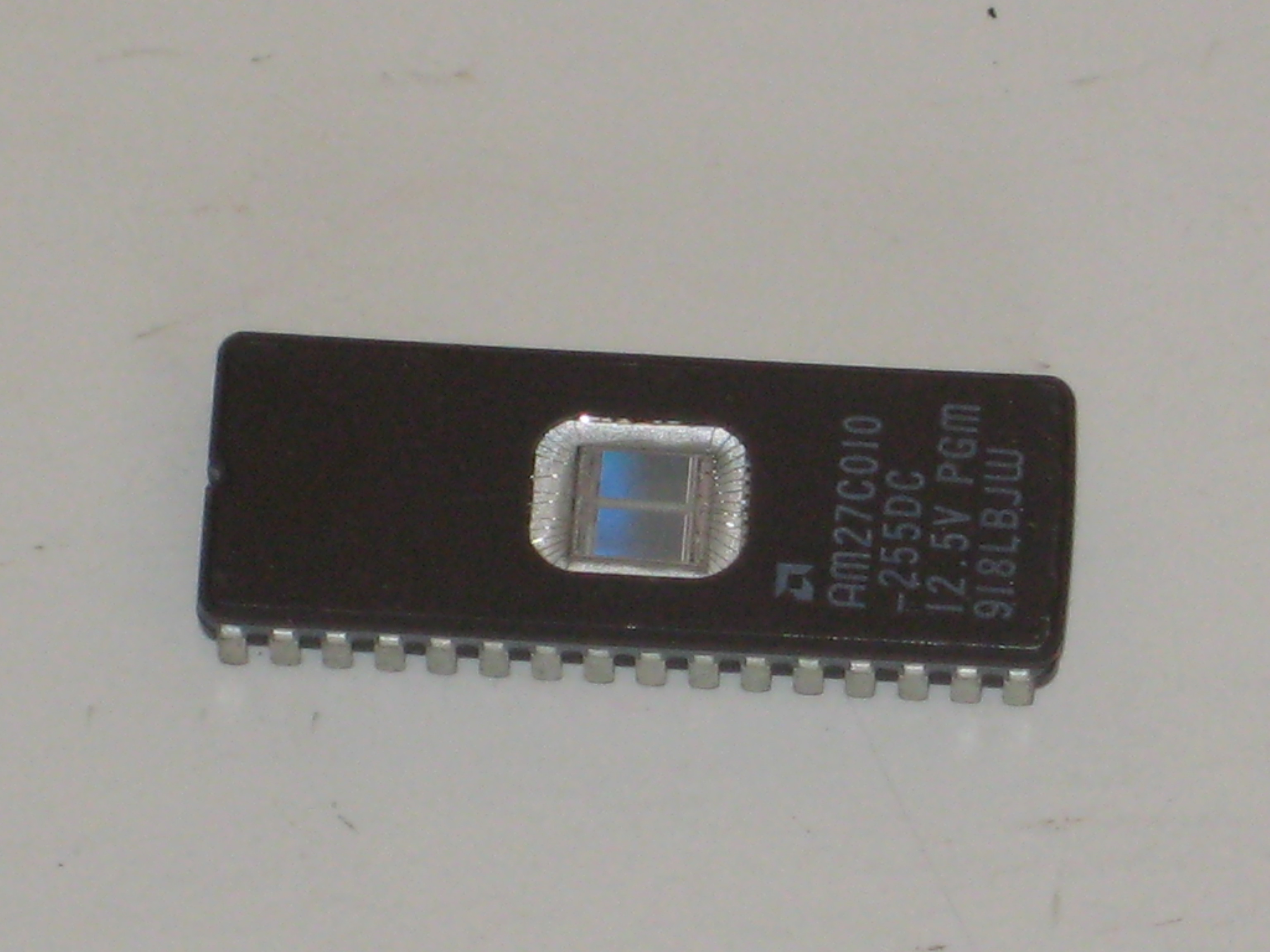
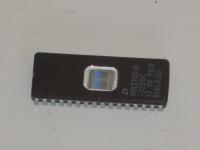
- Read Only Memory (ROM) stores program information, replacing punched cards, tape, or other media for relatively fast access.